You’ve had your home on the market for a few months. You really need it to sell quickly and for a fair amount of money. You FINALLY have a contract with a buyer. Next step? The home inspection.
You may look toward your home inspection with dread or fear.
What will the inspector find wrong with my house?
Will there be major repairs needed?
Will I be able to fix things, or will I have to hire a contractor?
And most importantly, will the inspection cause the buyer to have second thoughts about the purchase?
All of these are normal thoughts and reactions, especially since the sale of a home is such a major transaction! At SmartGuard Professional Inspections, we want to make the process as easy and informative as possible for all parties.
For sellers, we recommend having a Pre-Listing Inspection to take away the likelihood of “surprises” once there is a buyer involved. A seller can be informed of the deficiencies a house may have before putting it on the market. Then they can choose to fix the problems ahead of time and without the pressure that comes with closing a real estate transaction.
Okay, your next question is probably…What is a deficiency?
A deficiency is basically anything that does not meet the current standards for safety, structural needs or issues, foundation concerns, electrical issues or problems, etc. These can apply to HVAC, built-in appliances, plumbing, roofing, exterior and interior walls, and more.
Now back to the subject at hand…
You, like many sellers, didn’t know about pre-listing inspections ahead of time and your buyer’s inspection is coming up in the next few days.
Here are 5 things to do to prepare for a home inspection and reduce the number of deficiencies that may be reported to the buyer.
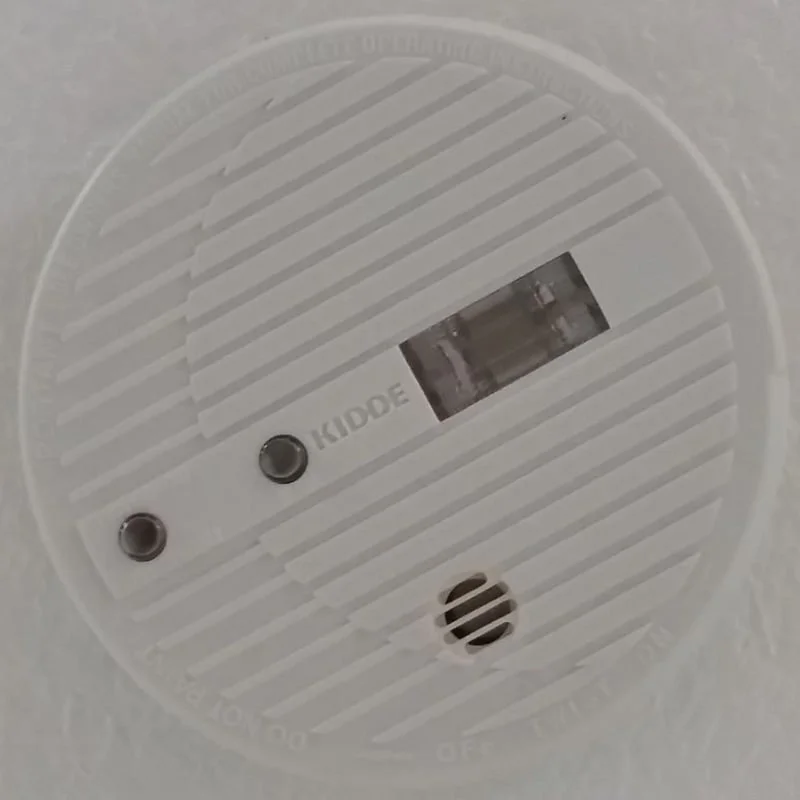
#1—Replace smoke alarm batteries, expired smoke alarms, and faulty smoke alarms.
Any smoke alarm that doesn’t work when tested must be listed as a deficiency on the inspection report.
Also, smoke alarms generally last for about 10 years and even may show an “expiration date” as a reminder to replace them. Any smoke alarms over 10 years old should be replaced to ensure proper safety is in place.
Good batteries are important because an inspector is not allowed to try to “fix” faulty items by replacing batteries, etc.
It is smart, as a seller, to take the time to test the smoke alarms and replace batteries or alarms as needed before the inspection. What a simple and inexpensive way to shorten the inspection report!
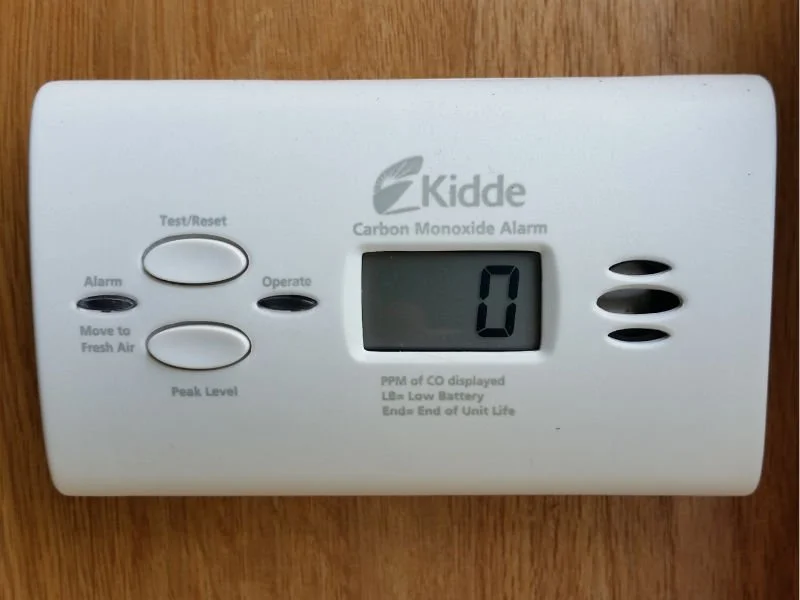
#2—Install and check carbon monoxide detectors.
In houses with propane or natural gas service, and/or an attached garage, carbon monoxide detectors are required and incredibly important to the health and safety of the occupants. If there are missing or faulty detectors, or detectors with low batteries, a seller can easily replace them before the inspection.
Carbon monoxide detectors are required in houses with attached garages because of the risk of buildup of the dangerous gas (carbon monoxide) produced by automobiles. These detectors are often missing at the time of inspection but are vitally important. Carbon Monoxide is very dangerous because it is odorless and colorless, and it can be deadly.
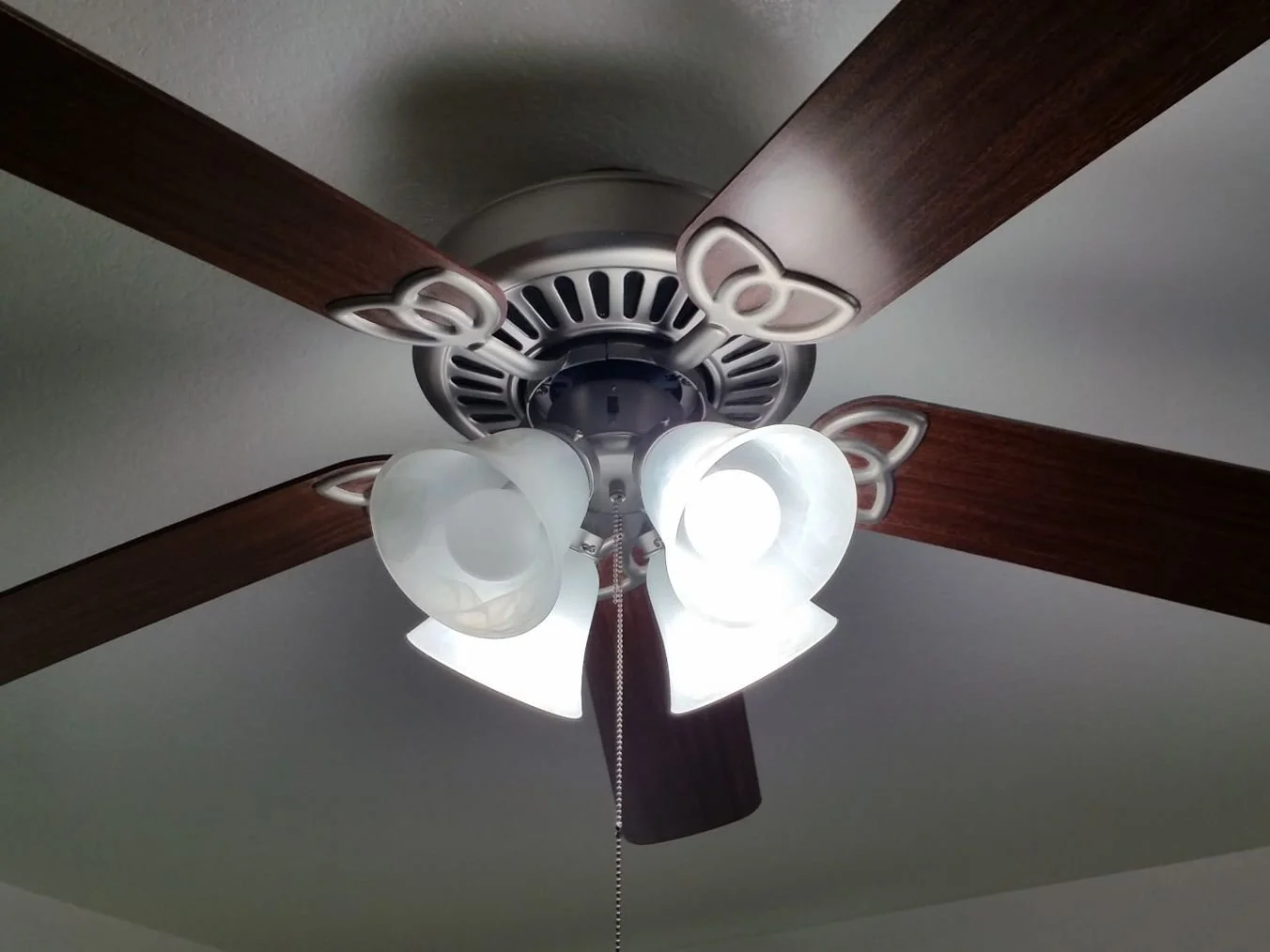
#3—Replace faulty light bulbs
How many people does it take to change a lightbulb? ONE, and that can be you!
The simplest preparation a homeowner can do before an inspection is to replace light bulbs that are not working. If a light fixture does not come on when the switch is flipped, the inspector cannot make a designation in the report as to whether the fixture is broken or just has a bulb out. It is simply marked as “deficient.” The inspector cannot carry extra bulbs or fix them as during the inspection, so he/she has to note that complete fixture is not working on the report.
Making sure that all the light bulbs work in the house also communicates a message to the seller that perhaps the home has been well maintained and cared for.
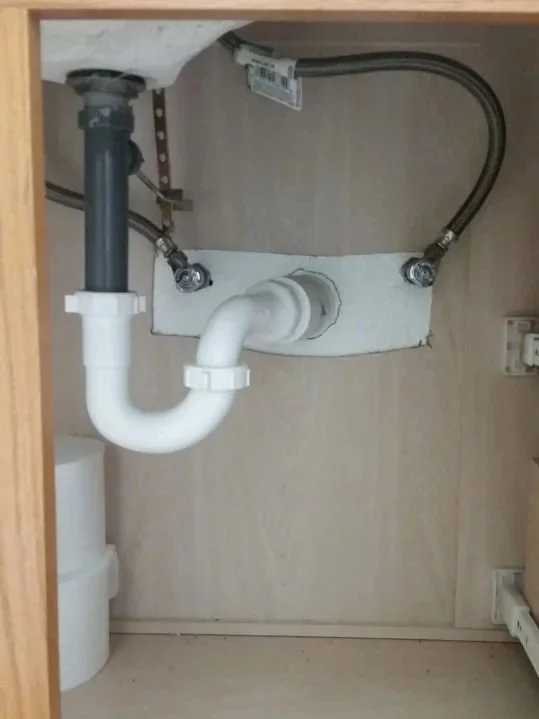
#4—Check for water leaks under sinks
One of the most common places to find a water leak in a home is under sinks. They often remain unnoticed for long periods of time and can cause damage to cabinetry and other issues.
Most of these leaks can easily be detected by looking for water spots on the floor of the cabinet or by feeling the supply and drain hoses to check for water droplets. Fixing these leaks ahead of the inspection will give seller and buyer one less thing to worry about.
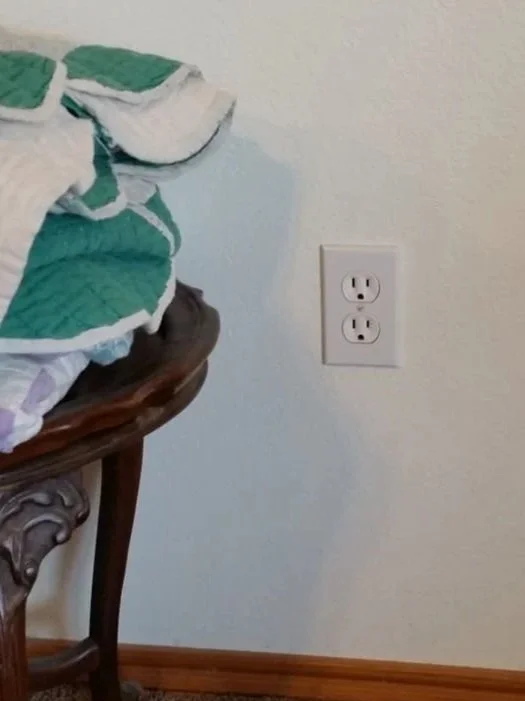
#5— Make all areas accessible.
Home Inspectors are not required to move furniture, boxes, etc. to be able to access electrical breaker boxes, outlets, attic stairways, etc. if rooms are not accessible. However, those areas are very important parts of the inspection!
In order for the inspector to make a thorough report, please make sure that he/she is able to access all areas. This would include making the attic stairway available, making sure the A/C closet and breaker boxes are not blocked, and even moving furniture away from outlets that are blocked if possible.
A home inspection doesn’t need to be a stressful time for anyone, and we will do our best to work with whatever challenges may be present. These tips are simply recommendations to help you and your buyer receive the best service possible from your inspector!
If you have any questions or we can assist you with your next home inspection, please let us know. We’re here for you. Check out our Inspection Services and Contact Us today!